

How Retail Stores Use Footfall Counters to Increase Sales
Learn how retail stores use footfall counters, customer counters, and retail traffic analytics to boost sales, optimize staffing, and improve customer experience with real-time data insights.
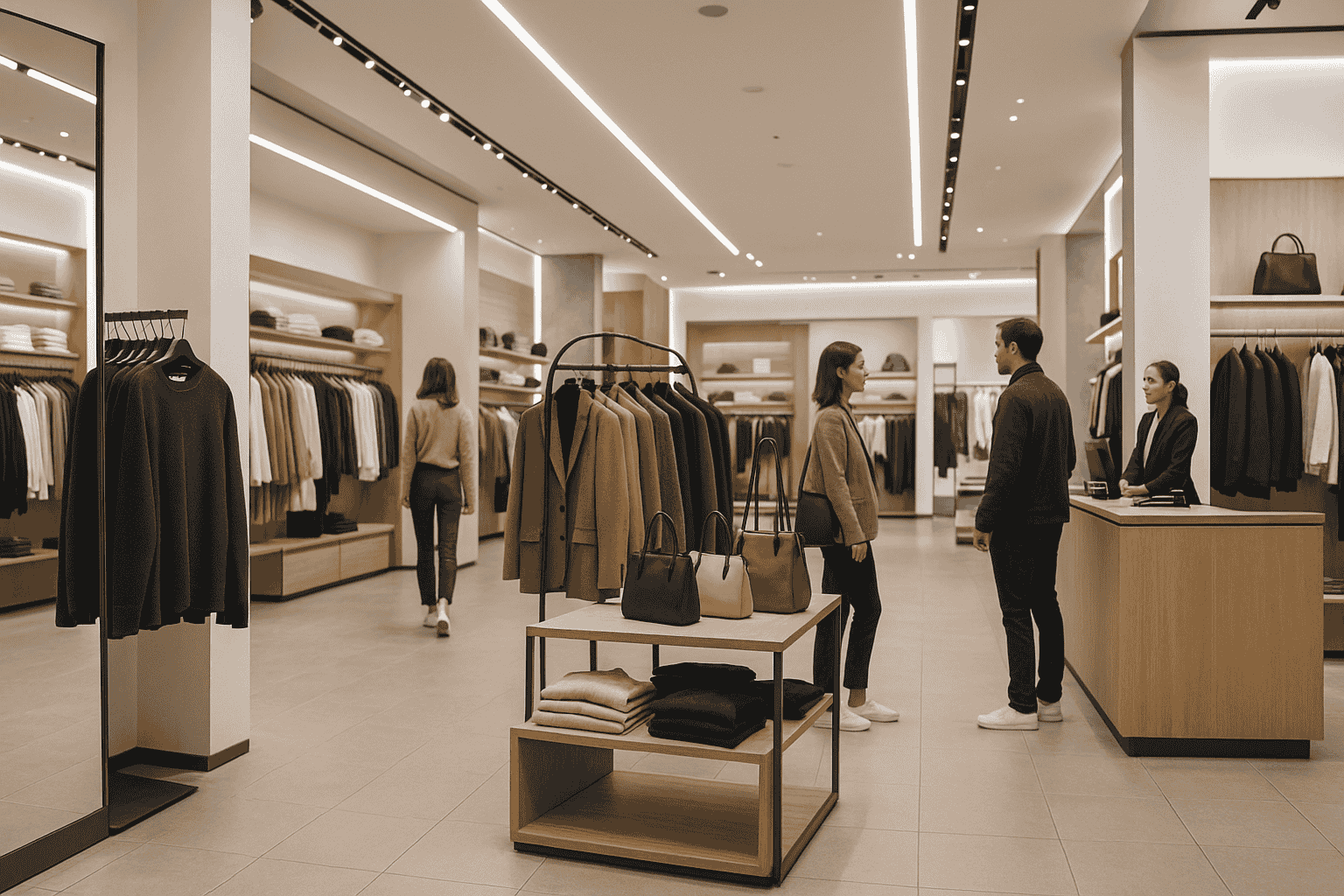
How Retail Stores Use Footfall Counters to Increase Sales
The simple act of a customer walking through your door holds more value than ever before. It is no longer enough to track only transactions; the real secret to boosting your bottom line lies in understanding the journey of the customers who don't buy. This is the power of retail traffic counter technology. For competitive brick-and-mortar stores, knowing your visitor count—your footfall—is as critical as knowing your website traffic. From optimizing staff schedules to validating multi-million-dollar marketing campaigns, footfall counters are the foundational tool that transforms guesswork into guaranteed strategies for sales growth will walk you through exactly how retail stores use footfall counters to increase sales, one actionable metric at a time.What Is Footfall? – Understanding the Footfall Definition
Before diving into how footfall counters boost sales, let’s start with the footfall definition. Footfall refers to the total number of people who enter a physical retail store or space over a specific period — daily, weekly, or monthly. It’s also known as store traffic or customer traffic. Footfall is one of the most important retail metrics because it helps businesses understand how effectively their stores attract and engage customers. In simple terms: Footfall = Number of people entering a store But modern retailers go beyond just counting visitors. They analyze footfall analytics — patterns, peak hours, dwell time, and conversion rates — to understand the why behind customer visits and improve sales strategies accordingly.Why Footfall Data Matters for Retail Businesses
The power of footfall analytics lies in the insights it offers. When a retailer knows how many people visit, when they visit, and what they do inside, they can make smarter business decisions. Here’s why footfall data matters:- Measures Marketing Effectiveness A spike in store visits after a new campaign or promotion indicates success. On the other hand, no change in footfall means the campaign needs improvement.
- Optimizes Store Operations Knowing peak traffic times helps managers schedule staff efficiently, ensuring excellent customer service during busy hours.
- Improves Store Layout and Visual Merchandising Heatmaps and footfall analytics reveal where customers spend the most time, helping retailers optimize store design for better flow and engagement.
- Supports Accurate Sales Forecasting Comparing footfall data with sales figures helps determine conversion rates — how many visitors actually make purchases.
- Enhances Customer Experience Understanding traffic flow enables retailers to reduce queue times, improve navigation, and enhance overall shopping experiences.
What Are Footfall Counters?
Footfall counters (also known as retail traffic counters, customer counters, or crowd counters) are devices or systems used to track and count the number of people entering or exiting a retail space. Modern footfall counters use technologies such as:- Infrared sensors – Count entries and exits using light beams.
- 3D stereo vision cameras – Create accurate, privacy-safe visual data.
- AI-powered video analytics – Track movement patterns, dwell time, and crowd density.
- Wi-Fi and Bluetooth tracking – Identify returning customers and visit frequency.
How Retail Traffic Counters Work
A retail traffic counter works by detecting motion or presence at the store entrance and recording each entry or exit. When combined with AI or machine learning, these systems can even distinguish between:- Adults and children
- Groups vs. individuals
- Employees vs. customers
- Entry vs. exit directions
How Retail Stores Use Footfall Counters to Increase Sales
Let’s explore the specific ways retail stores leverage footfall counters and footfall analytics to drive measurable sales growth.- Identify Peak Hours and Allocate Staff Efficiently
- Measure Marketing Campaign Impact
- Optimize Store Layout and Product Placement
- Reduce Wait Times and Improve Service
- Track Conversion Rates and Performance Across Locations
- Store A: 1,500 visitors → 200 sales (13% conversion)
- Store B: 1,000 visitors → 250 sales (25% conversion)
- Forecast Demand and Plan Inventory
- Enhance Customer Experience Through Data
Types of Footfall Counters Used in Retail
There are various types of customer counters available, each serving different business needs:| Type | Technology Used | Best For |
| Infrared Beam Counters | Light sensors | Small shops, boutiques |
| Overhead Thermal Counters | Heat detection | Medium-size retail stores |
| 3D Video Counters | Stereo cameras | Large malls, supermarkets |
| AI Video Analytics Systems | CCTV + AI software | Multi-store chains, smart retail |
| Wi-Fi/Bluetooth Trackers | Device signals | Customer loyalty tracking |
Benefits of Using Footfall Counters in Retail
- Data-Driven Decision Making Move beyond assumptions — make decisions based on real customer data.
- Improved Marketing ROI Measure exactly how campaigns impact store traffic.
- Higher Sales Conversions Identify and fix bottlenecks that prevent conversions.
- Operational Efficiency Optimize staffing, reduce queues, and enhance store management.
- Customer-Centric Retailing Understand behavior patterns and tailor experiences accordingly.
Integrating Footfall Analytics With Retail Systems
The true power of a retail traffic counter emerges when its data is integrated with:- POS systems (sales data)
- CRM tools (customer profiles)
- Marketing dashboards (campaign insights)
Footfall Counters in Retail
As retail becomes increasingly data-driven, AI-powered footfall counters are evolving rapidly. Future systems will not just count people — they’ll interpret intent, emotion, and engagement through computer vision and predictive analytics. Soon, footfall analytics will enable:- Predictive staffing and inventory
- Personalized marketing in-store
- Real-time customer engagement
- Integration with omnichannel data (online + offline)
Conclusion
In the modern retail landscape, success is no longer just about how much you sell — it’s about how well you understand your customers. Footfall counters, retail traffic counters, and footfall analytics empower retailers to make data-driven decisions that directly translate into higher sales, better service, and greater profitability. By learning to count people accurately and interpret the data intelligently, businesses can bridge the gap between potential customers and actual buyers — turning insights into revenue. Contact us: enquiries@nymbleup.com
From Trial Rooms to Stockrooms: Why Fashion Retailers Need Digital Task Management
Empower fashion retail audit solution with digital task management. Track store operations, visual merchandising, and staff performance usin…
Read more
How Hotels Can Maintain Brand Consistency with Automated Audits & SOPs
Automate hotel audits, enforce brand SOPs, and ensure guest satisfaction with NymbleUp’s intelligent audit management system for hotels.
Read more
How Hotel Chains Can Reduce Labor Costs with AI Workforce Scheduling
Learn how AI hotel workforce management and automated staff scheduling hotels can reduce labor costs, boost efficiency, and improve employee…
Read more